A martian rock has lots of carbon on it, and it's not clear why
Biology could explain the find, but there are other potential explanations.
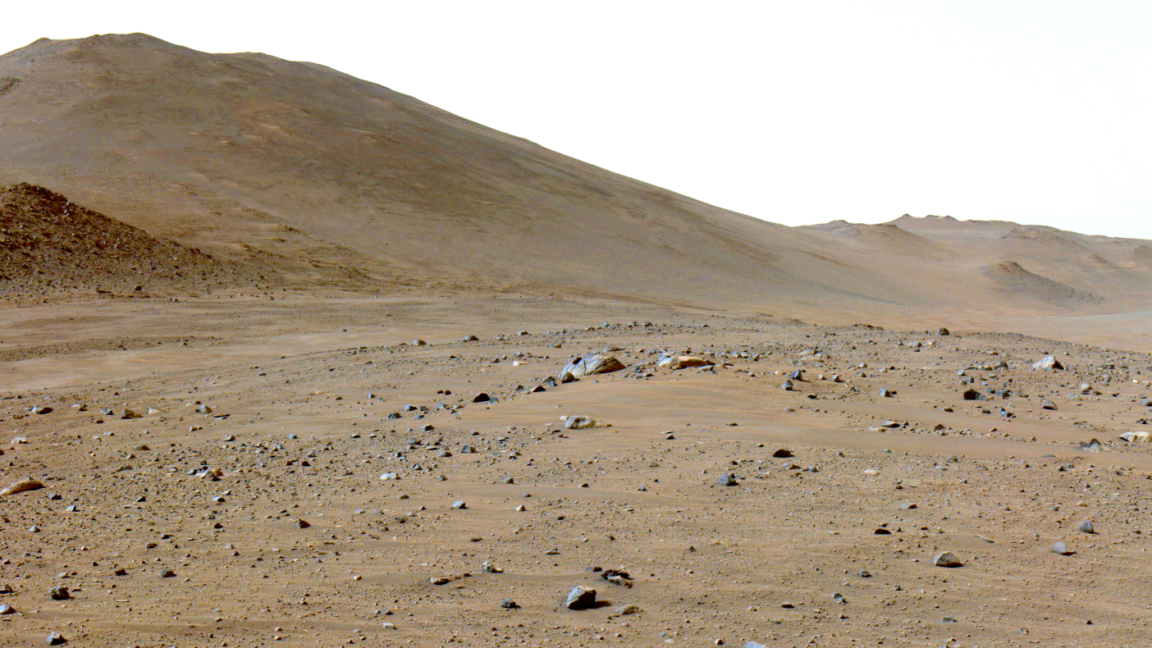
Biology could explain the find, but there are other potential explanations.
Read Full Story at Ars Technica →Why This Matters
The discovery of abundant carbon in a Martian rock challenges long-held assumptions about the Red Planet’s geochemical history while reigniting questions about its potential habitability. Unlike previous missions that detected only trace organic compounds, this find suggests carbon cycles may be far more dynamic on Mars than previously documented. If confirmed as non-biogenic, it could redefine our understanding of abiotic chemistry in planetary environments.
Background Context
NASA’s Perseverance rover has spent years targeting Jezero Crater, a former lakebed, precisely because orbital data hinted at water-altered minerals and organic signatures. Earlier missions, like Curiosity, found scattered organic molecules but with ambiguous origins—whether from meteorites, volcanic processes, or, potentially, past microbial life. This carbon-rich sample, drilled from a rock named "Bunsen Peak," marks a shift from speculation to a tangible puzzle with no clear precedent.
What Happens Next
The next critical step is isolating whether the carbon is indigenous to Mars or delivered by space rocks, with isotopic analysis likely to provide the first clues. If the carbon is Martian-born, researchers will then probe whether it reflects volcanic outgassing, hydrothermal alteration, or—less likely—biological activity. Meanwhile, debate will intensify over whether future missions should prioritize returning this sample or deepening exploration of similar formations.
Bigger Picture
This discovery aligns with a broader trend in planetary science: the realization that complex carbon chemistry may be a near-universal feature of rocky worlds, not just Earth. As missions like Mars Sample Return and future Venus probes push the boundaries of astrobiology, each anomalous find forces a reckoning with how we define life’s limits—and how often its building blocks emerge without biology’s influence.