Creatine doesn't just build muscle. It may also help fight cancer
Scientists have discovered that creatine may strengthen one of the immune system's most important cancer-fighting pathways by energizing dendritic cells that activate killer T cells. The promising res
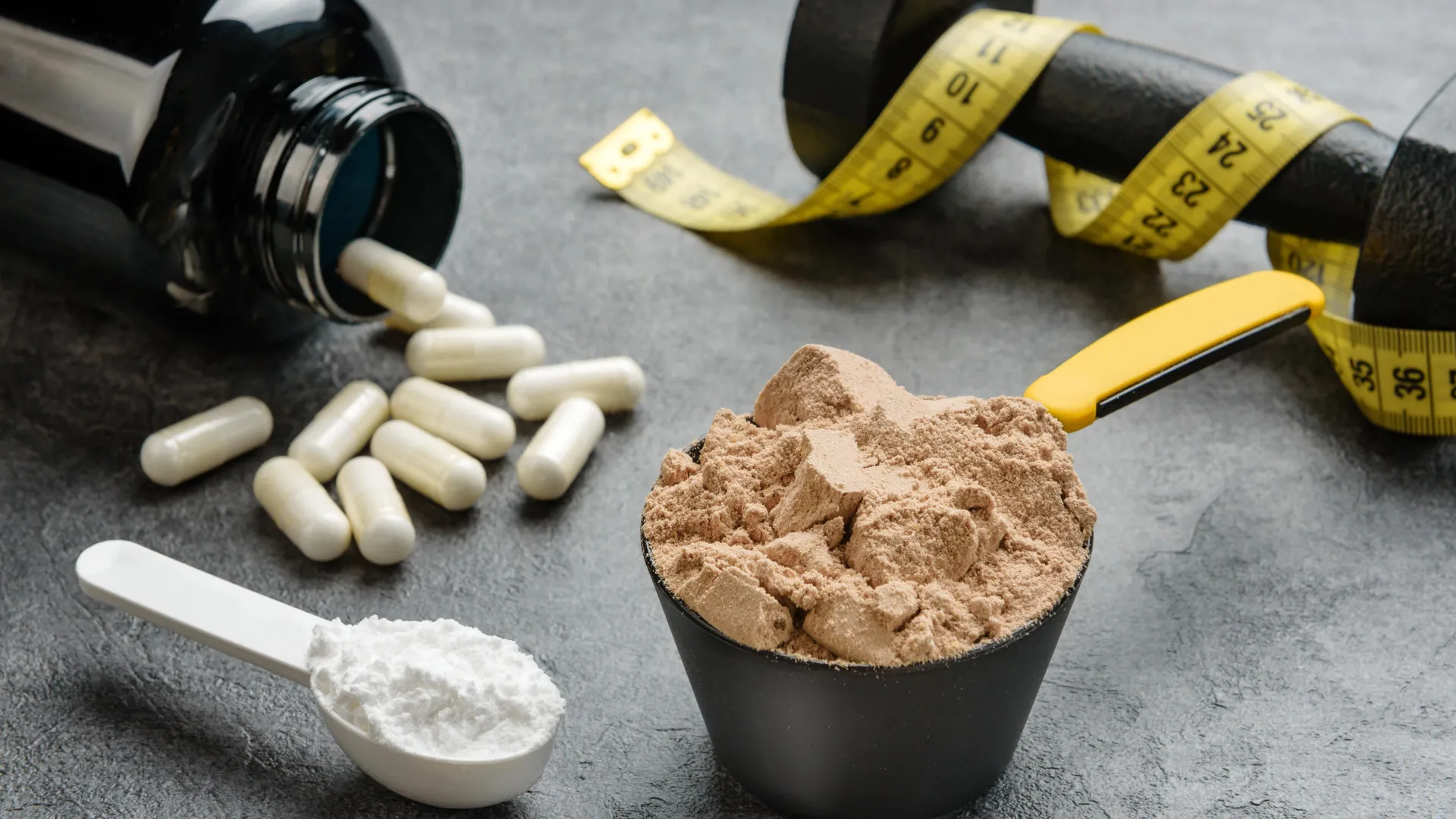
Scientists have discovered that creatine may strengthen one of the immune system's most important cancer-fighting pathways by energizing dendritic cel
Read Full Story at ScienceDaily →Why This Matters
The discovery that creatine could bolster the immune system's anti-cancer defenses challenges long-held assumptions about the supplement's role, expanding its potential beyond athletics and metabolism. If validated in clinical trials, this mechanism could open new avenues for immunotherapy, particularly in patients with weakened immune responses to tumors. The finding underscores how metabolic pathways might be harnessed to enhance existing cancer treatments.
Background Context
Creatine has been a staple in sports nutrition for decades, prized for its role in energy production and muscle recovery. However, its influence on immune function has only recently gained attention, with early studies hinting at broader biological roles. The connection to dendritic cells—key regulators of T-cell activity—suggests a previously overlooked dimension of metabolic immunology, bridging nutrition science and oncology.
What Happens Next
Scientists will likely prioritize preclinical studies to confirm the mechanism in human tissue, followed by small-scale clinical trials to test creatine's efficacy in combination with existing immunotherapies. Regulatory pathways for repurposing creatine as an adjunct cancer therapy could emerge if results are promising. Meanwhile, pharmaceutical companies may explore synthetic analogs to optimize the effect.
Bigger Picture
This research aligns with a growing trend of leveraging metabolic interventions to modulate immune responses, seen in drugs like metformin or fasting-mimicking diets. As immunotherapy becomes a cornerstone of cancer treatment, discoveries that enhance its efficacy with minimal disruption to patients' lives could reshape clinical practices. The findings also highlight the interconnectedness of seemingly unrelated biological systems.