Eating chili peppers may raise the risk of one deadly cancer
A major review found that people who consumed the most chili peppers had a substantially higher risk of esophageal cancer, though the evidence was less clear for stomach and colorectal cancers. Resear
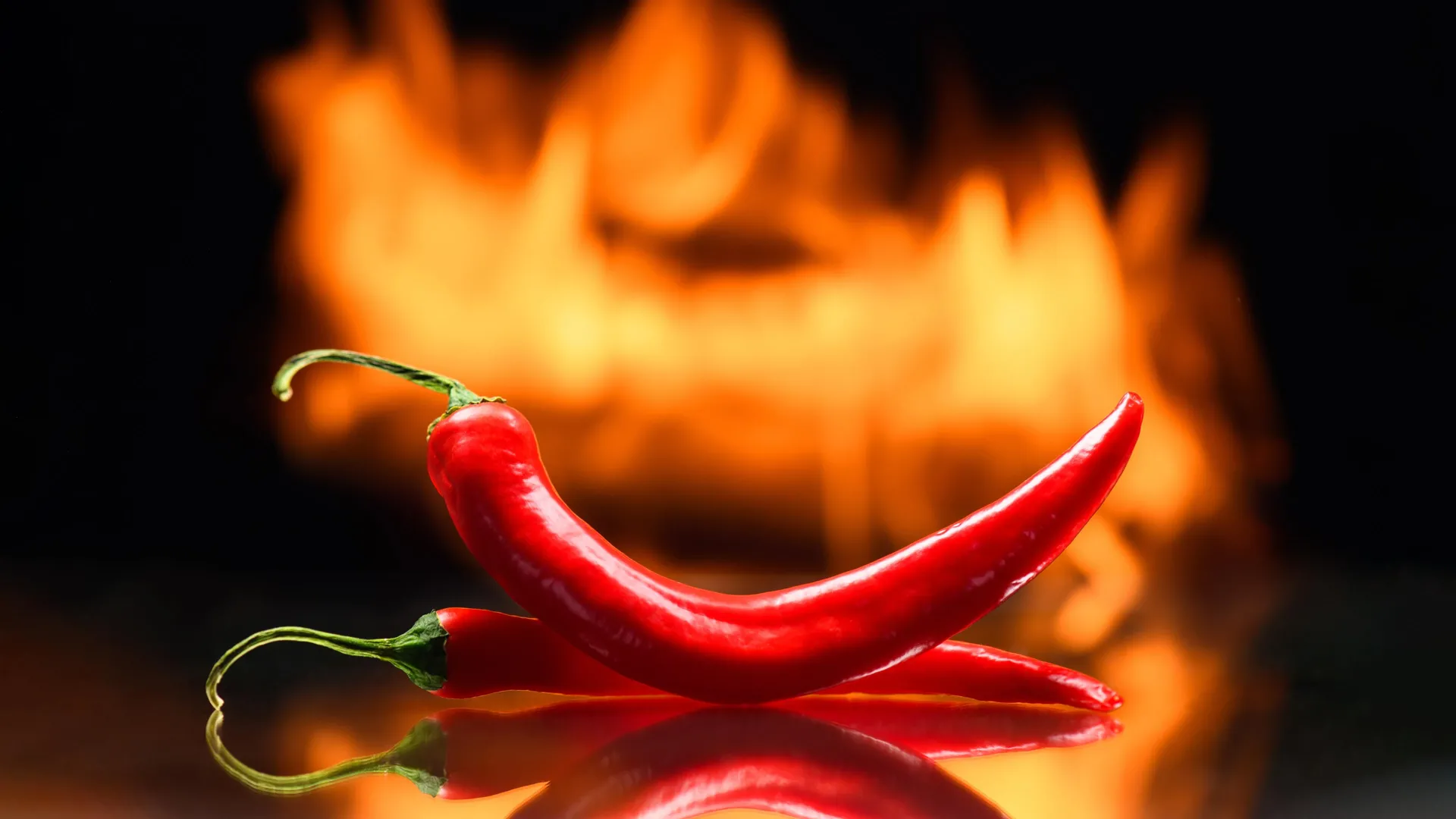
A major review found that people who consumed the most chili peppers had a substantially higher risk of esophageal cancer, though the evidence was les
Read Full Story at ScienceDaily →Why This Matters
The findings challenge long-held assumptions about spicy foods as harmless or even beneficial, particularly in cultures where chili consumption is deeply embedded in culinary traditions. With esophageal cancer ranking among the most aggressive and fatal malignancies, even a modest increase in risk could have significant public health implications, especially in regions like Latin America, Asia, and parts of Africa where chili peppers are dietary staples.
Background Context
Esophageal cancer remains one of the least understood and deadliest cancers, with survival rates stubbornly low compared to other common malignancies. Historical dietary studies have often focused on protective factors—such as fiber or antioxidants—while overlooking potential risks posed by commonly consumed ingredients. Meanwhile, the global spice trade has fueled the widespread adoption of chili peppers, making dietary habits a critical yet understudied variable in cancer epidemiology.
What Happens Next
Public health agencies may revisit dietary guidelines, particularly in high-risk regions, though balancing cultural practices with risk mitigation will prove complex. Further research is needed to isolate whether the risk stems from capsaicin itself, other compounds in chili peppers, or their interaction with preexisting conditions like acid reflux. Meanwhile, food industries could face scrutiny over processed products that combine high chili content with potential carcinogens like nitrates.
Bigger Picture
This study fits into a growing body of research questioning the blanket health halo around "natural" foods, especially when consumed in excess or in specific regional diets. It also underscores how globalized dietary changes—like the rapid adoption of spicy flavors worldwide—can outpace our understanding of long-term health consequences. The findings may prompt a reevaluation of how we assess food safety, moving beyond broad categories like "processed" or "organic" to examine specific ingredient interactions.