U.S. adds 35 gigawatts of solar power in 2023-24
U.S. solar installations hit record highs in 2023 and 2024, adding over 35 gigawatts—enough to power 10 million homes—despite tariffs and tax changes. Solar is now the cheapest new electricity source
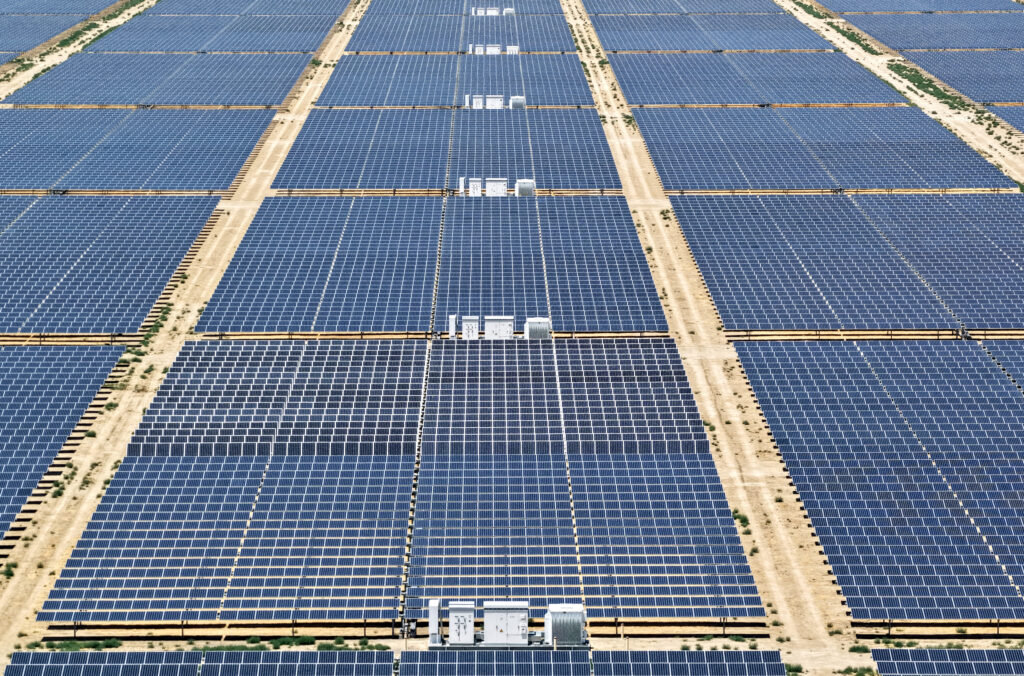
U.S. utility-scale solar installations hit record highs in 2023 and 2024, defying tariffs and shifting tax credits that once threatened the industry.
Read Full Story at Inside Climate News →Why This Matters
The surge in solar installations underscores a fundamental shift in America’s energy infrastructure, proving that market forces—rather than policy alone—can drive the transition to renewable power. This milestone signals that solar is no longer a niche experiment but a cornerstone of national energy resilience, particularly as utilities and corporations race to decarbonize their operations.
Background Context
Just five years ago, solar accounted for a fraction of U.S. energy capacity, hamstrung by high costs and regulatory hurdles. The Inflation Reduction Act’s expanded tax credits and the Biden administration’s push for clean energy investments reversed that trajectory, but the resilience of solar through tariffs on Chinese panels—and despite supply chain disruptions—reveals deeper structural advantages.
What Happens Next
With solar now the cheapest new electricity source, utilities will likely accelerate retirements of aging fossil fuel plants, while manufacturers may pivot toward domestic or allied-nation supply chains to avoid tariff risks. The next phase depends on grid modernization efforts and whether states with restrictive policies can overcome bottlenecks to keep pace with demand.
Bigger Picture
This growth reflects a global pattern where solar’s cost declines have outpaced even the most optimistic forecasts, reshaping energy economics worldwide. As battery storage costs follow a similar trajectory, the industry’s expansion could redefine not just power grids—but geopolitical energy dependencies in the coming decade.






