Florida bans local governments from pursuing net-zero emissions goals
Gov. Ron DeSantis calls it a crackdown on "radical climate policies."
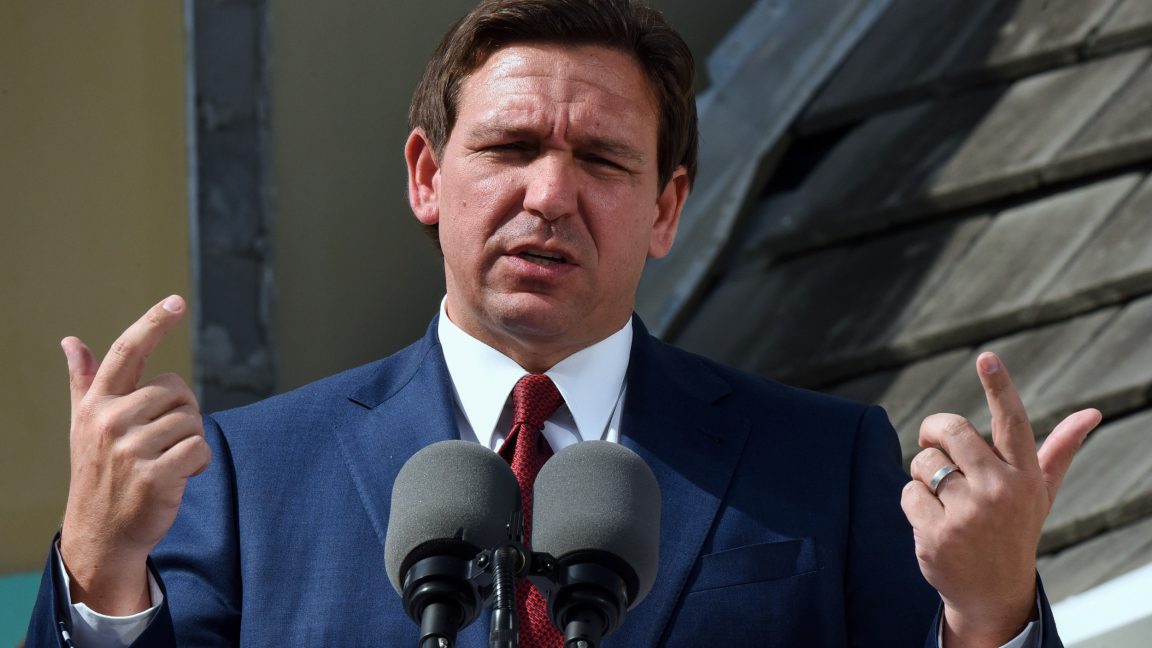
Gov. Ron DeSantis calls it a crackdown on "radical climate policies."
Read Full Story at Ars Technica →Why This Matters
Florida’s move to preempt local governments from setting net-zero emissions targets underscores a growing ideological divide over climate policy in the U.S., where state-level actions increasingly override municipal ambitions. The ban signals a retreat from even modest climate mitigation efforts in a state already vulnerable to rising sea levels and intensifying hurricanes, raising questions about long-term economic and environmental trade-offs.
Background Context
Florida has long been a battleground for climate policy, with local governments like Miami and Orlando pushing for aggressive emissions reductions despite the state’s heavy reliance on fossil fuels and tourism-driven economy. The state’s previous rejection of federal infrastructure funds tied to climate resilience—citing federal overreach—sets a precedent for this latest restriction, framing such goals as economically disruptive rather than necessary adaptation.
What Happens Next
Florida’s ban could embolden other states to follow suit, particularly in the Sun Belt, where climate skepticism aligns with energy-intensive industries. Legal challenges are likely from municipalities or environmental groups, testing the limits of preemption laws, while businesses may face conflicting signals if local governments seek alternative pathways to sustainability outside official policy.
Bigger Picture
This policy reflects a broader national fragmentation, where climate action is increasingly partisan and localized efforts are systematically dismantled in favor of uniform, state-driven frameworks—or inaction. It also highlights the tension between short-term economic priorities and long-term climate risks, particularly in regions where those risks are already materializing.





