Gene-editing startups are using CRISPR to treat diseases
How CRISPR could target the body’s epigenome—the software that controls our genes A handful of start-up firms are testing therapies that target specific epigenetic markers to treat everything from hig
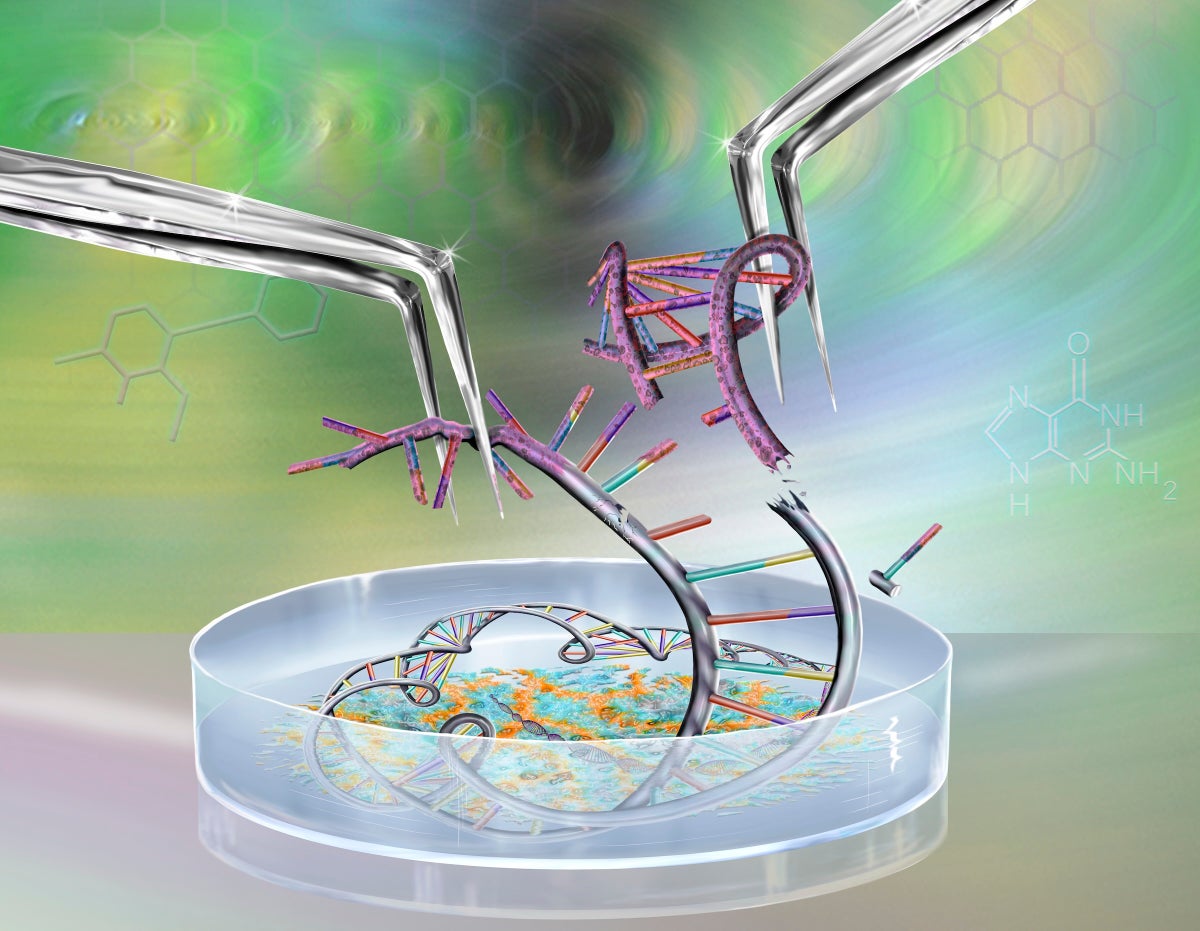
How CRISPR could target the body’s epigenome—the software that controls our genes A handful of start-up firms are testing therapies that target specif
Read Full Story at Scientific American →Why This Matters
The race to modulate the epigenome with CRISPR isn't just another biotech fad—it's a fundamental shift from brute-force gene editing to precision programming of cellular behavior. Unlike traditional gene therapies that permanently alter DNA, epigenetic interventions could offer reversible, tunable control over gene expression, potentially unlocking treatments for diseases previously considered untreatable.
Background Context
While CRISPR-Cas9's DNA-cutting capabilities dominated early gene-editing discourse, the field has quietly pivoted toward epigenetic editing, where tools like dCas9 fuse with enzymes that write or erase chemical marks on DNA without breaking the genetic code. This approach mirrors the pharmaceutical industry's long-standing struggle to develop therapies for complex diseases rooted in regulatory dysfunction rather than simple genetic mutations.
What Happens Next
Regulatory agencies will soon face unprecedented challenges in evaluating epigenetic therapies that may not permanently alter the genome but could have cascading effects across cellular pathways. Meanwhile, the first clinical readouts from these startups—expected within 18-24 months—will reveal whether epigenetic CRISPR can deliver on its promise without triggering unintended heritable changes.
Bigger Picture
The epigenetic CRISPR movement reflects a broader convergence of synthetic biology and healthcare, where the next generation of treatments will increasingly treat genes as software rather than hardware. As investors pour billions into this space, the real question isn't whether epigenetic editing will work, but who will control the 'epigenetic operating systems' that may one day define human health and disease.