Incredible new material makes heat programmable
A newly developed material can control and "program" heat, allowing it to direct thermal radiation, switch modes, and remember its settings without continuous power. The innovation could lead to smart
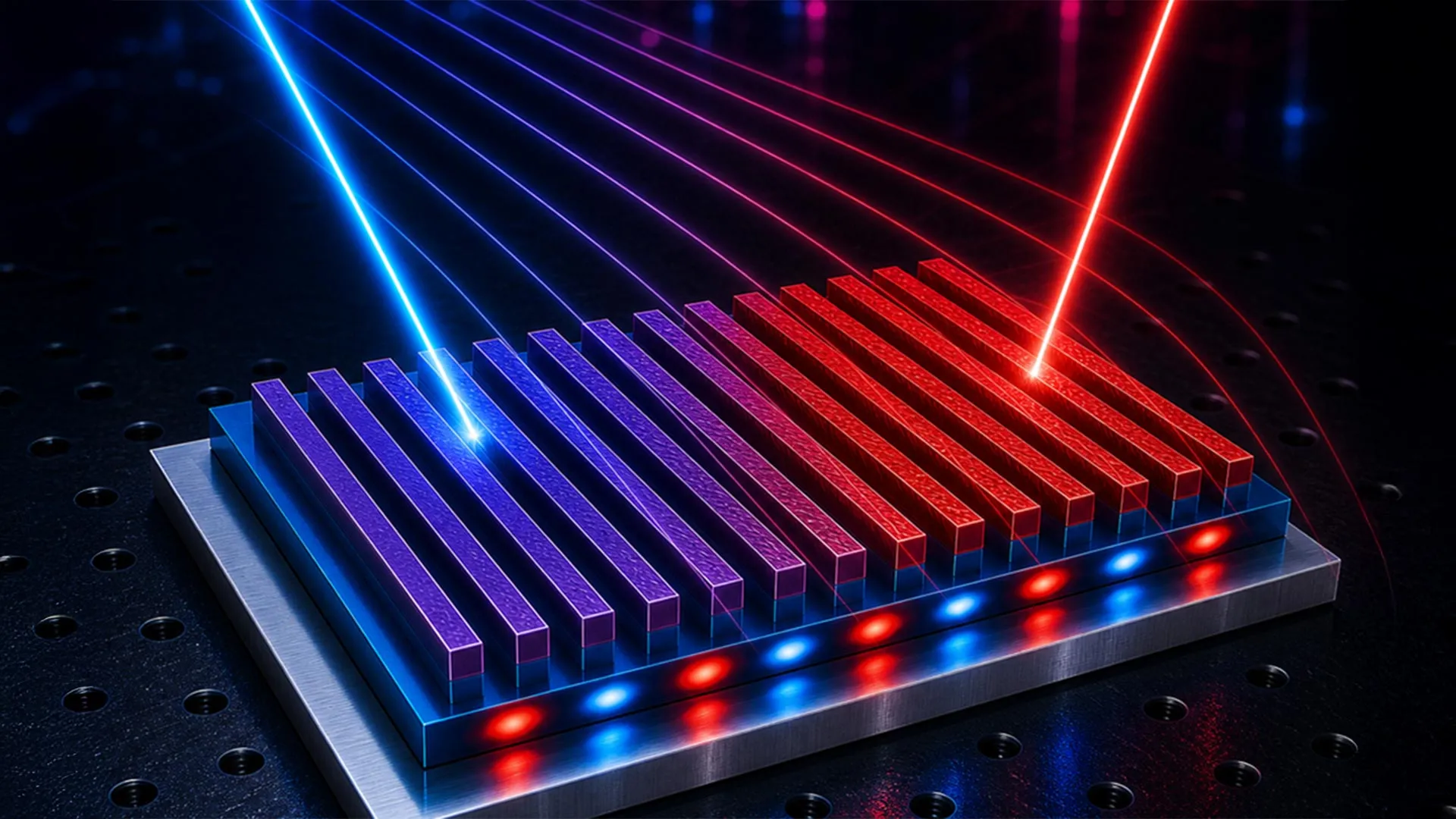
A newly developed material can control and "program" heat, allowing it to direct thermal radiation, switch modes, and remember its settings without co
Read Full Story at ScienceDaily →Why This Matters
This breakthrough signals a paradigm shift in thermal management, where heat is no longer an uncontrollable byproduct but a programmable resource. By treating thermal radiation as a dynamic variable, industries like electronics, aerospace, and energy could achieve unprecedented efficiency gains, reducing waste in systems that currently dissipate heat passively. The memory function—meaning the material retains its thermal behavior without constant power—also hints at self-sustaining smart systems that could redefine sustainability in manufacturing and infrastructure.
Background Context
Thermal management has long been a bottleneck in technology, with most solutions relying on passive dissipation or energy-intensive cooling mechanisms. While phase-change materials and thermal switches exist, few have combined programmability with non-volatile memory, a gap this material appears to bridge. Historically, advances in thermal regulation have lagged behind those in electrical or optical systems, partly because heat lacks the precision of electrons or photons—a limitation this innovation directly challenges.
What Happens Next
Expect a surge in applications where thermal behavior is critical but previously intractable, such as battery thermal runaway prevention or spacecraft thermal shielding. The material’s scalability will determine its commercial viability, with early adopters likely in high-performance computing or renewable energy sectors. Regulatory and safety standards for programmable thermal systems will also need development, as their dynamic nature introduces new risks alongside benefits.
Bigger Picture
This aligns with a broader movement toward "smart materials" that blur the lines between structural, functional, and adaptive properties. As climate pressures intensify demand for energy-efficient systems, programmable heat could become a cornerstone of next-generation thermal engineering. It also underscores the growing convergence of physics and information science, where materials themselves begin to compute—literally turning heat into data.