Iran supreme leader calls for revenge after father's burial
Iranian Supreme Leader Ayatollah Mojtaba Khamenei has called for revenge for the death of his father and predecessor Ayatollah Ali Khamenei. He said vengeance was the "will of the nation" in a writte
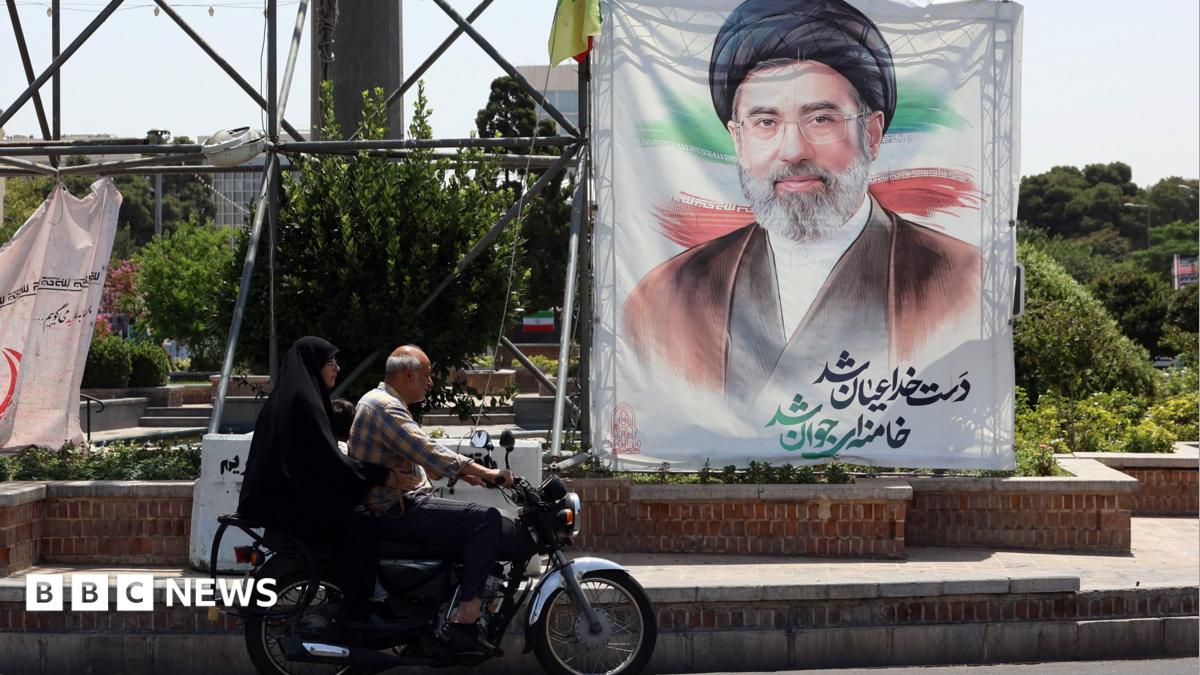
Iranian Supreme Leader Ayatollah Mojtaba Khamenei has called for revenge for the death of his father and predecessor Ayatollah Ali Khamenei. He said
Read Full Story at BBC World News →Why This Matters
The call for vengeance by Iran’s supreme leader signals not just a personal loss but a strategic move to solidify ideological unity within the regime. It could embolden hardliners to escalate regional tensions, particularly as the Islamic Republic faces internal strains and external pressures from both Western powers and regional rivals.
Background Context
Ayatollah Ali Khamenei’s 44-year tenure as supreme leader was marked by a delicate balance between internal repression and external expansionism, with his son, Mojtaba, long viewed as his preferred successor. The elder Khamenei’s death now tests the regime’s ability to maintain cohesion amid generational shifts and economic discontent, especially as hardliners seek to redirect public anger toward perceived foreign enemies.
What Happens Next
The regime’s response will likely escalate proxy conflicts in Syria, Lebanon, or Yemen, where Iran-backed forces operate, as a display of defiance. Domestic crackdowns on dissent may intensify to preempt any challenges to Mojtaba’s ascension, while regional powers like Saudi Arabia and Israel will closely monitor Iran’s next moves for signs of aggression or instability.
Bigger Picture
This moment underscores the enduring fragility of Iran’s theocratic system, where succession crises and ideological rigidity often clash with pragmatic governance. It also fits a broader pattern of authoritarian regimes using external conflicts to divert attention from domestic grievances, raising concerns about a potential cycle of escalation in an already volatile Middle East.