Cats eat 7% insects, study finds
Cats eat a surprising variety of insects, which make up over 7% of their diet, challenging the assumption that they only prey on birds and mammals. This matters because cats, as invasive predators, co
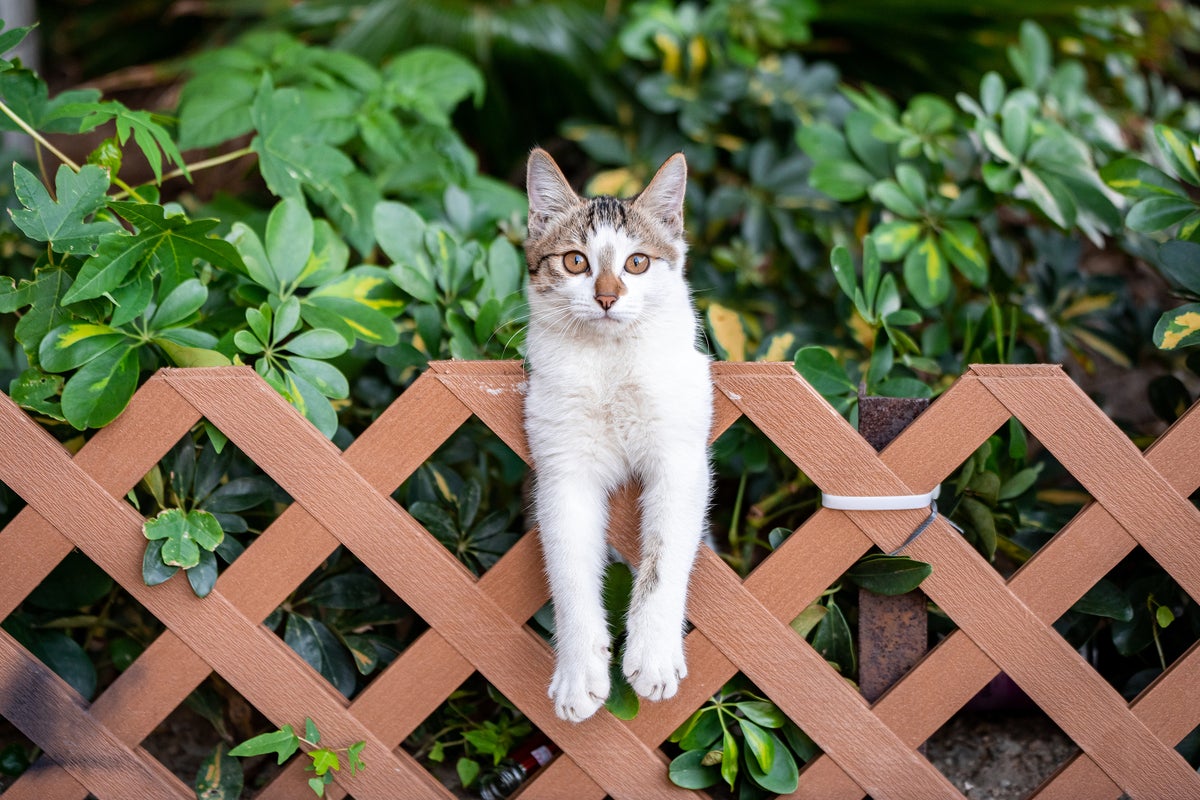
**Free-roaming cats eat far more than birds and mice — insects make up a surprising share of their diet, new research shows.** Scientists analyzing h
Read Full Story at Scientific American →Why This Matters
The revelation that cats consume insects at scale forces a rethinking of predator-prey dynamics in urban and suburban ecosystems. While felines are often demonized for decimating bird and mammal populations, their insectivorous habits suggest a more complex ecological role—one that could either mitigate or exacerbate biodiversity loss depending on the species involved. This also raises ethical questions about domesticated cats’ diets and their unintended impact on invertebrate populations, particularly in regions where insects play critical roles in pollination and soil health.
Background Context
Historically, domestic cats were introduced to new continents as pest control agents, targeting rodents and harmful insects. However, their evolutionary flexibility has led to opportunistic feeding behaviors that extend beyond traditional prey. Meanwhile, entomology research has only recently begun to quantify the dietary overlap between cats and insects, partly due to advances in stable isotope analysis and DNA barcoding of gut contents. The 7% figure, though modest, may underrepresent the true scope, as many insects are digested too quickly to detect in scat samples.
What Happens Next
Future studies will likely focus on whether insect consumption by cats is nutritionally beneficial or harmful to the animals themselves, given that many insects contain chitin, a compound difficult for felines to digest. Wildlife conservationists may push for stricter outdoor cat regulations if evidence mounts that their insect predation disrupts critical pollinator populations. Meanwhile, pet food companies could explore insect-based formulations, blending ecological concerns with commercial opportunities in sustainable pet nutrition.
Bigger Picture
This research fits into a broader reassessment of domesticated animals’ ecological roles, from dogs that hunt reptiles to livestock that graze on invasive plant species. As climate change and habitat fragmentation force species to adapt, the boundaries between "natural" and "unnatural" predator diets are blurring. It also highlights how human-altered landscapes are reshaping even the most familiar animals, turning pets into de facto agents of ecological change.