Kalshi sues Illinois over new tax on prediction market sports bets
Illinois now a key battleground in fight over prediction market sports bets.
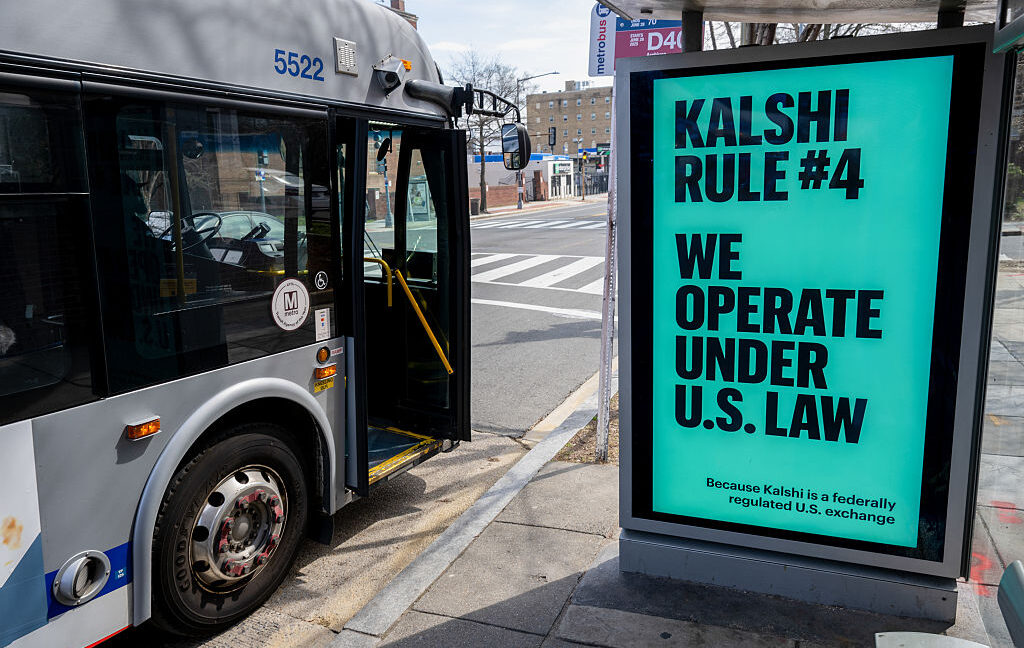
Illinois now a key battleground in fight over prediction market sports bets.
Read Full Story at Ars Technica →Why This Matters
The legal battle over Kalshi's lawsuit against Illinois isn't just about taxation—it's a pivotal test for how states will regulate prediction markets, which operate in a legal gray area between gambling, financial instruments, and free speech. If the lawsuit succeeds, it could set a precedent that limits state governments' ability to impose discriminatory taxes on innovative financial platforms, while a loss could embolden other states to target similar businesses with punitive levies.
Background Context
Prediction markets like Kalshi have long operated in regulatory limbo, with some states treating them as illegal gambling while others, like Illinois, have recently imposed targeted taxes under sports betting frameworks. The state's new levy—structured as a flat fee on each transaction—ignores the fundamental differences between traditional sports betting and prediction markets, which allow users to bet on a far broader range of events, from elections to economic indicators.
What Happens Next
The lawsuit will likely hinge on whether courts view prediction markets as gambling or financial products, a distinction that could determine the legality of Illinois' tax. Meanwhile, other states may pause similar proposals until the outcome is clear, but a prolonged legal fight could create uncertainty for the industry. Kalshi's challenge may also force Illinois to clarify its regulatory stance, potentially leading to a more nuanced tax structure—or a broader rethink of how prediction markets fit into existing laws.
Bigger Picture
This dispute reflects a growing tension between state revenue needs and the rapid evolution of financial technologies that don't fit neatly into traditional regulatory categories. As prediction markets gain traction, more states may attempt to tax or restrict them, risking stifling innovation in a sector that could democratize access to financial forecasting. The outcome in Illinois could either accelerate this fragmentation or push lawmakers toward a more standardized, federal approach.