Kielce pogrom in Poland: 80th anniversary of 1946 massacre
Eighty years ago, the city of Kielce in southern Poland was the scene of the worst pogrom in postwar Polish history. In 1946, just 14 months after the allies' victory over Nazi Germany and the end of
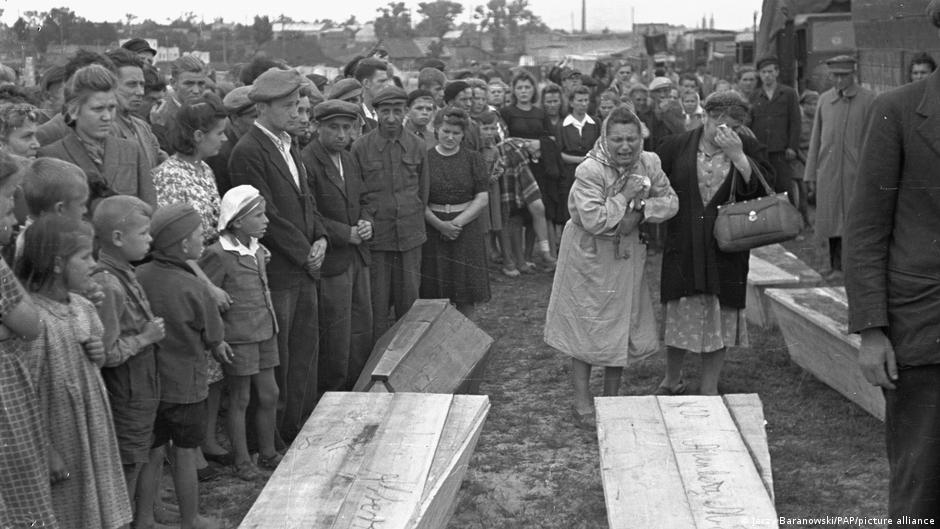
Eighty years ago, the city of Kielce in southern Poland was the scene of the worst pogrom in postwar Polish history. In 1946, just 14 months after the
Read Full Story at DW World →Why This Matters
The Kielce pogrom stands as a stark reminder of how quickly post-conflict societies can fracture along ethnic and religious lines, even after the shared trauma of Nazi occupation. Its anniversary demands reflection not just on Poland’s history but on the fragility of coexistence in any society rebuilding from catastrophe. The event also forces a reckoning with how historical narratives are weaponized in modern identity politics.
Background Context
While Poland’s Jewish community had been systematically destroyed during the Holocaust, the 1946 pogrom erupted in a climate of postwar chaos, resurgent antisemitism, and Soviet-backed communist consolidation. Local authorities, many aligned with the new regime, either enabled or failed to prevent the violence, exposing the cynical calculus of a state prioritizing political control over justice. The attack followed a baseless blood libel—an accusation that still echoes in modern conspiracy theories.
What Happens Next
As Poland grapples with its historical memory, the anniversary may reignite debates over restitution for Jewish property and the role of state institutions in confronting past atrocities. International observers will watch closely to see whether the event is treated as a cautionary tale about unchecked hatred or co-opted into contemporary political narratives. The risk of historical revisionism remains high, particularly as far-right factions seek to reframe Kielce as an aberration rather than a symptom of deeper societal fractures.
Bigger Picture
Kielce is part of a disturbing pattern where postwar violence against minorities often went unpunished, only to resurface in new forms decades later. Its legacy underscores how unresolved historical grievances fester, shaping contemporary conflicts over identity, sovereignty, and historical accountability across Eastern Europe. The event also highlights the global pattern of post-conflict societies struggling to reconcile justice with the need for social cohesion.