Solar flare may bring auroras to dozen states July 4
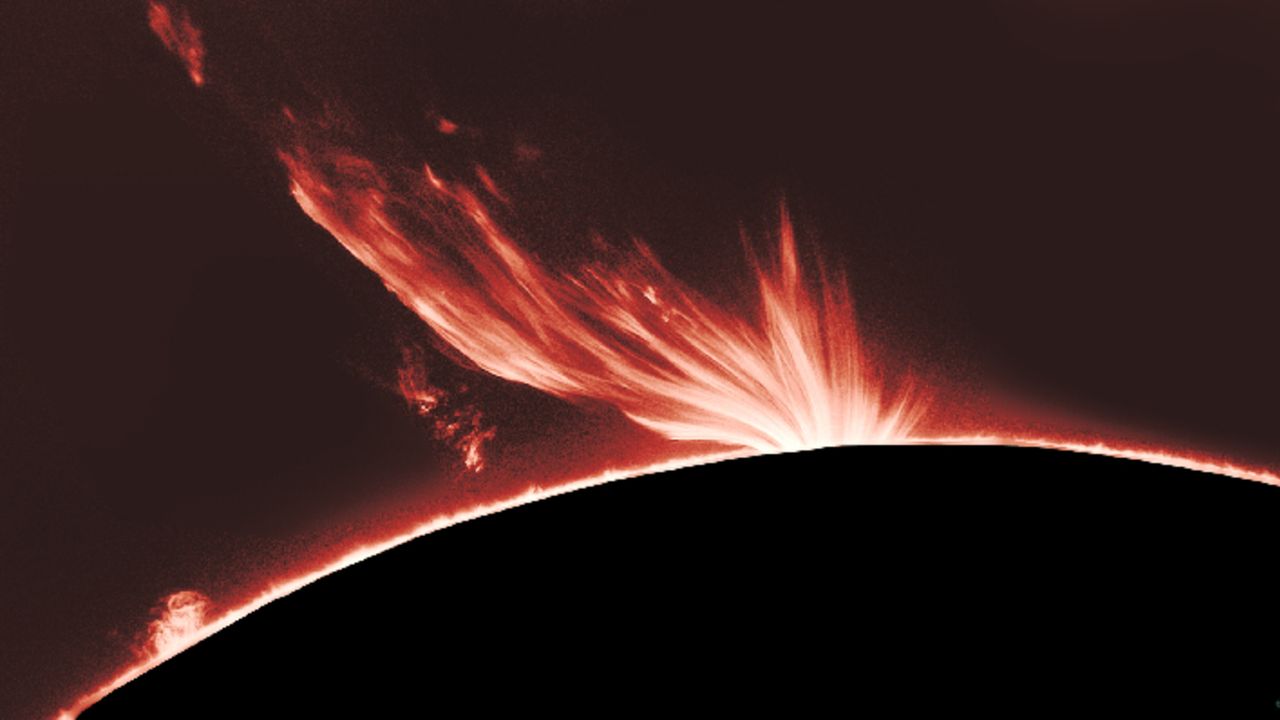
A solar magnetic field flip may trigger a geomagnetic storm, potentially bringing auroras to over a dozen US states this Independence Day. This rare event offers a unique opportunity to view the north
�_ �_��b �_ �_ �_ �_ ‘ _ _ _ _ _ _ _ _ _ __ _ _ _ _ _ _ _ _ _ _ _ _ _ _ _ _ _ _ _ _ _ _ _ _ _ _ _ _ _ _ _ _ _ _ _ _ _ _ _ _ _ _ _ _ _ _
Read Full Story at Live Science →Why This Matters
This rare solar event underscores the growing intersection of space weather and terrestrial life, revealing how solar activity can unexpectedly transform cultural moments—like Independence Day—into astronomical spectacles. Beyond the visual spectacle, the phenomenon highlights vulnerabilities in modern infrastructure, from power grids to satellite communications, where even moderate geomagnetic storms can induce disruptions that ripple through daily life.
Background Context
Solar magnetic field reversals, while a natural part of the sun’s 11-year cycle, are often overlooked in public discourse despite their potential to impact Earth. Historical records show such events have coincided with power grid failures, like the 1989 Quebec blackout, yet they rarely capture widespread attention unless paired with visible phenomena like auroras. The current alignment of solar maximum—a peak in solar activity—and Earth’s magnetic field suggests a higher likelihood of these storms reaching lower latitudes than usual.
What Happens Next
If the storm intensifies as predicted, skywatchers across the northern U.S. could witness auroras far beyond their typical Arctic ranges, potentially stretching into states like Michigan, Maine, and even parts of the Midwest. Utilities and satellite operators may conduct precautionary measures, though the event’s impact will depend on the storm’s duration and strength. For astronomers, this offers a chance to study the sun’s behavior in real time, while for the public, it presents a fleeting but memorable natural display.
Bigger Picture
As solar activity ramps up in the coming years, these events may become more frequent, challenging both scientific understanding and societal preparedness. The convergence of space weather science with public engagement signals a shift in how we perceive our star—not just as a distant light source, but as a dynamic force shaping Earth’s environment. This moment could serve as a catalyst for greater investment in space weather monitoring and resilience planning.