Millions in Climate Investments for Developing Countries Were Just Announced. It’s Not Nearly Enough.
Multiple donors and international organizations announced commitments to climate finance efforts directed at developing countries during London Climate Action Week, signaling growing attention toward
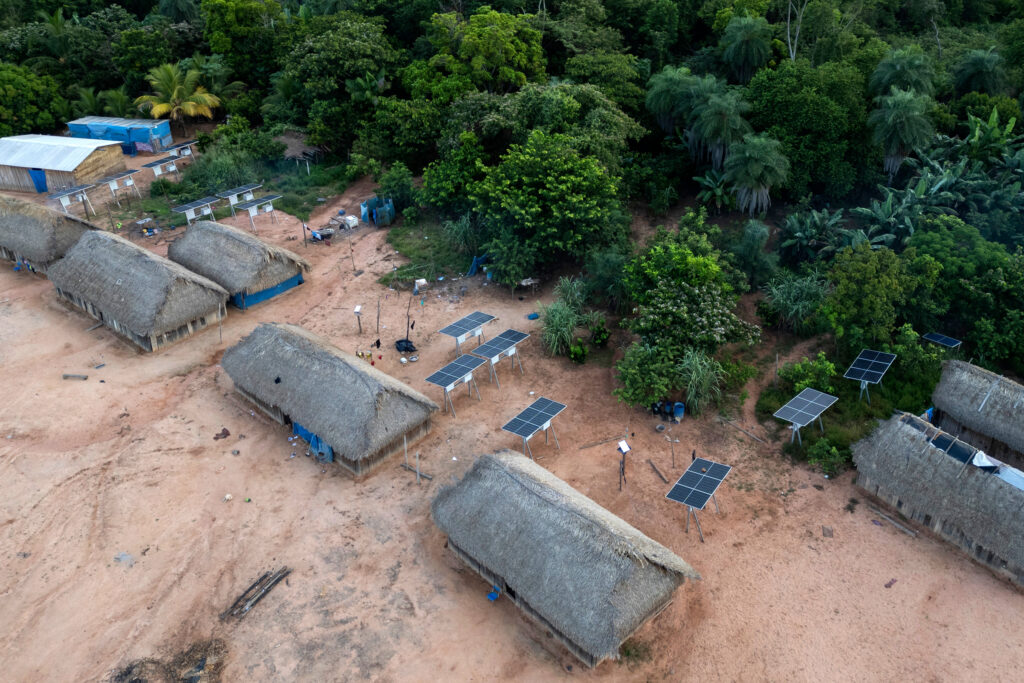
Multiple donors and international organizations announced commitments to climate finance efforts directed at developing countries during London Climat
Read Full Story at Inside Climate News →Why This Matters
The latest climate finance pledges arrive amid a critical gap between promised funding and the needs of vulnerable nations, where even the most optimistic estimates suggest developing countries require over $2 trillion annually by 2030 to meet their climate goals. These commitments, while symbolically important, underscore the persistent imbalance between rhetoric and tangible support, risking further erosion of trust in global climate leadership.
Background Context
Developed nations pledged in 2009 to mobilize $100 billion annually by 2020 for climate adaptation and mitigation in the Global South, a target repeatedly missed despite repeated extensions. The failure to meet these obligations has coincided with escalating climate disasters in low-income countries, which contribute least to emissions but face disproportionate impacts, from cyclones in Mozambique to droughts in the Sahel.
What Happens Next
Watch for whether these new pledges materialize into enforceable mechanisms or remain non-binding, as past commitments often dissolved into vague proposals. The absence of stringent accountability risks normalizing underfunding, potentially pushing vulnerable nations toward more fragmented, bilateral agreements with individual donors rather than multilateral solutions.
Bigger Picture
This pattern reflects a broader weakening of collective climate governance, where financial promises increasingly serve as diplomatic gestures rather than binding commitments amid rising geopolitical fragmentation and competing crises. The focus on "climate investments" also risks overshadowing the need for direct adaptation funding, where shortfalls remain most acute.







