NASA’s TESS Mission Finds Planetary System in New Way
For the first time, NASA’s TESS (Transiting Exoplanet Survey Satellite) mission has identified a planet orbiting a distant star thanks to ripples in space-time. Unlike the star-hugging transiting plan
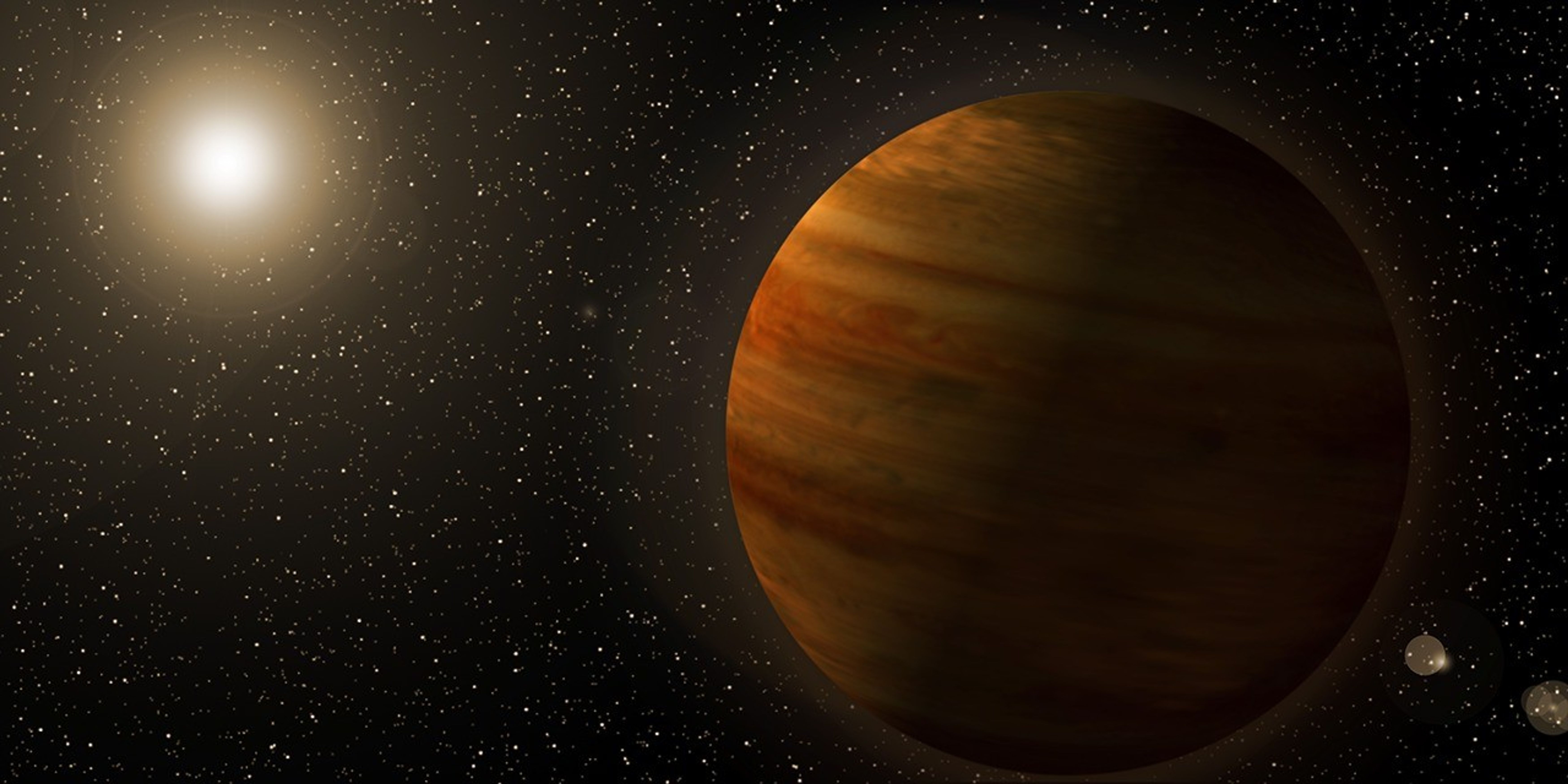
For the first time, NASA’s TESS (Transiting Exoplanet Survey Satellite) mission has identified a planet orbiting a distant star thanks to ripples in s
Read Full Story at NASA →Why This Matters
The detection of a planet via gravitational microlensing—rips in space-time caused by a star’s mass bending light—marks a technical milestone for NASA’s TESS mission, expanding its detection toolkit beyond traditional transits. This breakthrough could democratize exoplanet discovery by enabling searches around stars too faint or distant for standard methods, potentially uncovering worlds in the galaxy’s most elusive corners.
Background Context
Launched in 2018, TESS was designed to survey 200,000 of the brightest stars near Earth for dips in brightness signaling transiting planets. While microlensing has been used by ground-based observatories like OGLE and MOA, space telescopes have rarely employed it due to the transient nature of events and the need for precise, rapid follow-up. The mission’s adaptation of this technique underscores the adaptability of space-based exoplanet hunters in an era of competitive discovery.
What Happens Next
Researchers will likely refine microlensing algorithms to filter noise from other astrophysical phenomena, while ground-based telescopes coordinate to capture follow-up data during fleeting lensing events. If validated, this method could be integrated into future missions like NASA’s Roman Space Telescope, which is explicitly designed to leverage microlensing for planet hunting. The discovery may also prompt re-examination of archival TESS data for overlooked microlensing signals.
Bigger Picture
This development aligns with a broader shift toward multi-modal exoplanet detection, blending transit, radial velocity, and microlensing to paint a fuller picture of planetary demographics. As space telescopes push beyond familiar star systems, the ability to detect free-floating or distant rogue planets—long theorized but rarely observed—could reshape our understanding of how solar systems form and evolve across the Milky Way.