NASA finds puffy planets larger than Jupiter
NASA’s TESS mission discovered two "super-puff" planets, TOI-421 b and TOI-530 b, which are larger than Jupiter but so low-density they’d float in water. Their existence challenges current theories on
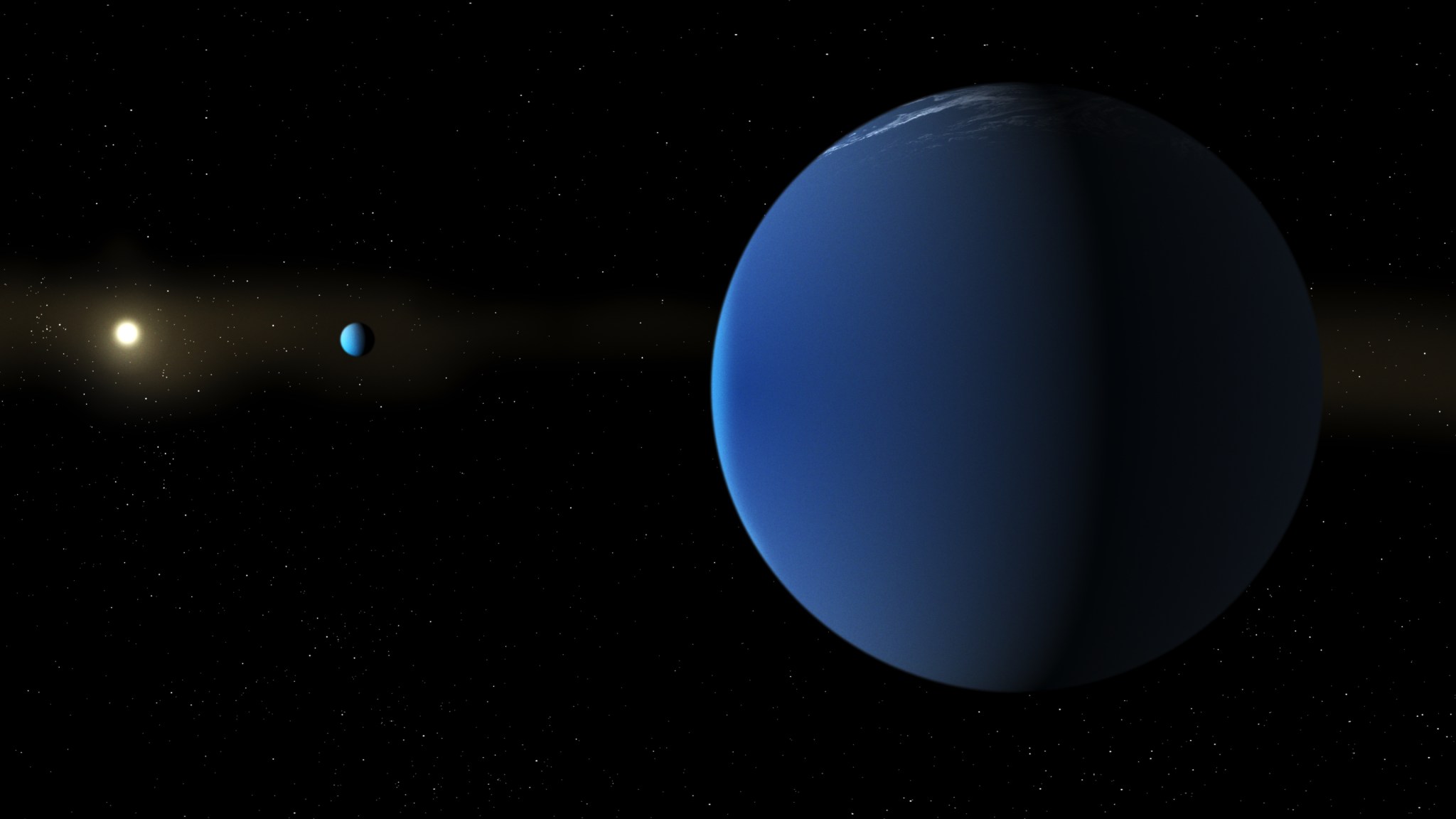
NASA just spotted two planets so light and fluffy they’re almost like floating cotton candy in space. The space agency’s TESS mission found the worlds
Read Full Story at NASA →Why This Matters
The discovery of "super-puff" planets like TOI-421 b and TOI-530 b forces a reckoning with planet formation models that assume density scales proportionally with size. These outliers suggest alternative mechanisms at play—perhaps atmospheric accretion early in a star system’s history or migration patterns that preserved primordial gas envelopes. For astrophysics, they serve as natural laboratories to test theories of planetary evolution under extreme conditions.
Background Context
Super-puff planets were virtually unknown until the Kepler mission first spotted a few candidates a decade ago, but their rarity made them curiosities rather than a class. The James Webb Space Telescope’s upcoming deep-dive atmospheric analyses may finally reveal whether these planets are hydrogen-dominated relics or failed gas giants stripped of their outer layers. Meanwhile, citizen science projects like Planet Hunters have played an underappreciated role in flagging these anomalies for follow-up.
What Happens Next
TESS’s extended mission phase will likely uncover more of these planets, allowing statisticians to quantify their prevalence and perhaps link their formation to specific stellar environments. Ground-based observatories will focus on measuring their atmospheric escape rates, while theorists will race to model their interiors—potentially revising the boundary between ice giants and gas giants. A key open question is whether these planets represent the tip of an iceberg or a distinct evolutionary dead-end.
Bigger Picture
Super-puffs are part of a broader trend revealing how exoplanet diversity defies Solar System-centric expectations, from lava worlds to diamond planets. Their study reflects a shift toward "comparative planetology," where each new discovery challenges the notion that Earth-like conditions are the norm. As detection methods improve, these outliers may become the rule rather than the exception, reshaping our understanding of where—and how—planets can form.