Nationality dispute: What does an Indian passport prove?
For decades, Indian citizenship was rarely questioned. Most people voted, obtained passports, enrolled in welfare schemes and went about their lives without having to demonstrate that they belonged in
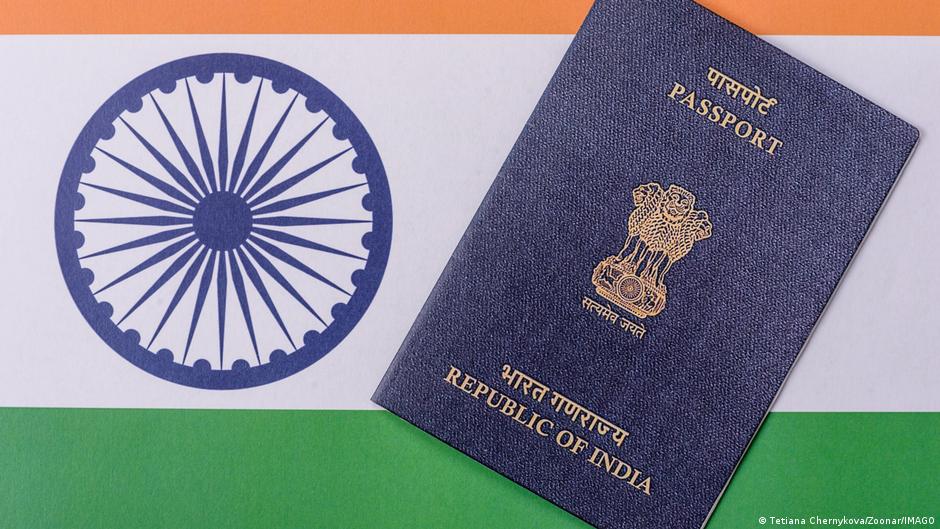
For decades, Indian citizenship was rarely questioned. Most people voted, obtained passports, enrolled in welfare schemes and went about their lives w
Read Full Story at DW World →Why This Matters
The growing scrutiny over Indian passports as proof of citizenship reflects deeper anxieties about belonging in a country where identity has long been taken for granted. It signals a shift from passive acceptance of legal documents to active verification, exposing fault lines in how nation-states police membership. For millions, what was once an unremarkable bureaucratic formality now carries the weight of existential validation.
Background Context
India’s post-colonial citizenship regime, enshrined in the 1955 Citizenship Act, assumed that residency and documentation were sufficient safeguards against statelessness. The 2019 amendment, however, introduced a religious test for naturalization, undermining this assumption by creating parallel systems where some documents confer legal protection while others do not. Meanwhile, decades of unchecked migration in border states like Assam blurred the line between citizens and "foreigners," leaving a legacy of exclusionary policies.
What Happens Next
The next phase will likely see a surge in litigation as individuals challenge exclusionary practices, particularly in regions where the Foreigners Tribunals have already red-flagged thousands of passport holders. The Supreme Court’s pending review of the 2019 amendment could either reaffirm the primacy of legal documents or embolden further bureaucratic gatekeeping. Watch for how state agencies reconcile digital records with ground-level verification, especially as AI-driven border systems expand.
Bigger Picture
This dispute mirrors global trends where passports—once symbols of mobility—are increasingly weaponized to enforce belonging. It also highlights how welfare schemes, from Ayushman Bharat to food rations, are becoming tools to police citizenship, turning basic rights into conditional privileges. The erosion of trust in state-issued documents risks normalizing a two-tier system where some citizens are perpetually on trial.








