New Florida Law Bans Local Net-Zero Emissions Policies
A new state law limits Florida communities’ aims to offset greenhouse gas emissions that are warming the global climate and intensifying disasters such as hurricanes. Specifically, HB 1217 prohibits l
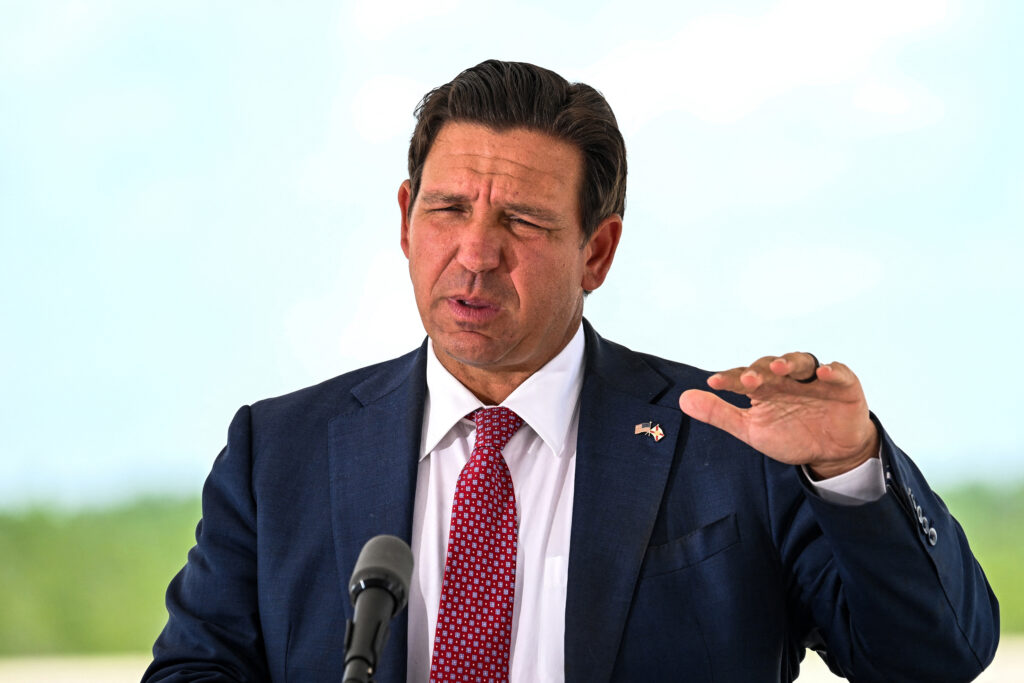
A new state law limits Florida communities’ aims to offset greenhouse gas emissions that are warming the global climate and intensifying disasters suc
Read Full Story at Inside Climate News →Why This Matters
Florida's new law signals a growing divide between state-level climate action and local sustainability efforts, potentially undermining municipal resilience against intensifying climate disasters. By stripping communities of tools to reduce emissions, the state risks accelerating environmental degradation while widening the gap between progressive cities and state policy.
Background Context
Florida’s coastal cities, including Miami and St. Petersburg, have increasingly adopted net-zero commitments as sea-level rise and hurricanes strain infrastructure—often without state support. The law reverses years of local governance autonomy, echoing similar preemption battles in Texas and Tennessee over climate policies, where industry lobbying prioritized short-term economic interests over long-term adaptation.
What Happens Next
Legal challenges from municipalities and environmental groups are likely, testing whether state preemption supersedes local climate ordinances under Florida’s constitution. Watch for how utilities and developers interpret the law’s exemptions, as well as whether insurers adjust risk models in response to stalled emissions reductions.
Bigger Picture
This law reflects a broader partisan strategy to centralize environmental decisions, sidelining city-led solutions in favor of industry-friendly policies. It also highlights the national fragmentation of climate policy, where states like California and New York push aggressive targets while others actively suppress them—undermining a unified federal response.







