Parolin: ‘Deep sorrow’ over SSPX ordinations
"[E]piscopal ordinations performed without a papal mandate break the unity of the Church and incur very specific sanctions,” Parolin said, “fundamentally, excommunication.”
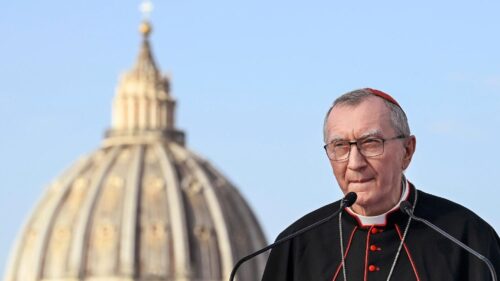
"[E]piscopal ordinations performed without a papal mandate break the unity of the Church and incur very specific sanctions,” Parolin said, “fundamenta
Read Full Story at Crux Now →Why This Matters
The Vatican’s stern warning over unauthorized episcopal ordinations underscores a critical fault line in Catholic ecclesiology—where institutional authority and canonical discipline collide with pastoral realities. These actions, while rare, strike at the heart of the Church’s claims to unity, exposing tensions between Rome’s uncompromising doctrinal standards and the growing fragmentation within traditionalist circles.
Background Context
The Society of Saint Pius X (SSPX), founded in 1970 by Archbishop Marcel Lefebvre, has long operated in defiance of Vatican authority, particularly after its founder’s 1988 illicit consecrations triggered a wave of excommunications. Since then, successive pontificates have sought reconciliation, yet the SSPX’s refusal to fully accept Vatican II reforms—including its stance on religious liberty and ecumenism—keeps it perpetually at odds with Rome’s canonical framework.
What Happens Next
While the Vatican’s rhetoric remains firm, the practical path forward is unclear. Past negotiations suggest a possible accommodation, but only if the SSPX accepts limited canonical oversight—a condition it has historically rejected. Meanwhile, the global traditionalist movement, emboldened by Pope Francis’ perceived leniency in other areas, may test the limits of Rome’s patience further, raising the stakes for future unauthorized ordinations.
Bigger Picture
This dispute reflects a broader crisis of authority within global Catholicism, where decentralized traditionalist networks increasingly challenge centralized Vatican control. It also highlights the Church’s struggle to reconcile its missionary mandate with internal dissent, a dynamic likely to intensify as demographic shifts and generational divides reshape traditionalist strongholds.