Record heat disrupts America’s 250th birthday celebrations and travel
A record-setting heat wave is blanketing much of the U.S. as millions of Americans gather for Independence Day, prompting the cancellation of events marking America’s 250th birthday.
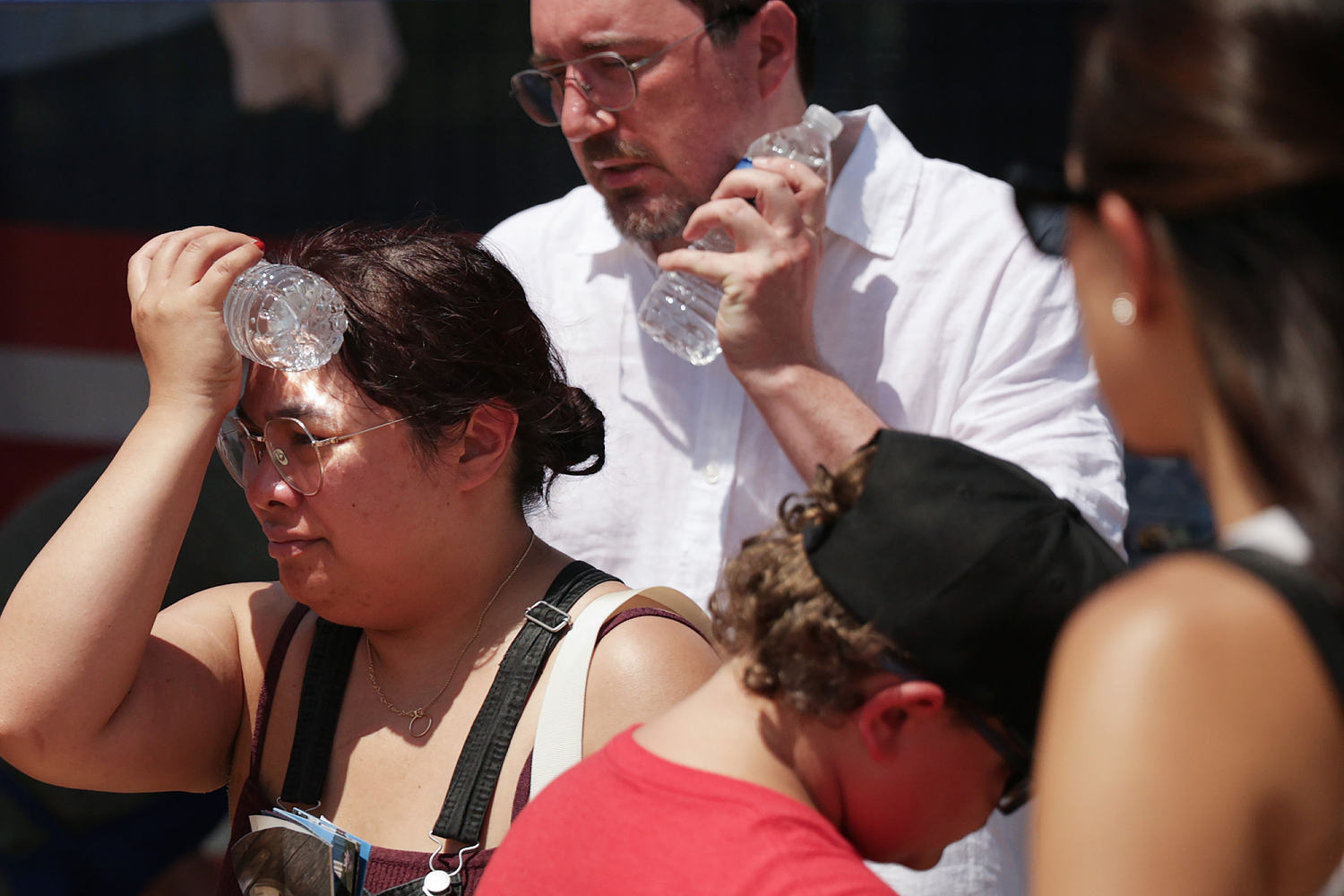
A record-setting heat wave is blanketing much of the U.S. as millions of Americans gather for Independence Day, prompting the cancellation of events m
Read Full Story at NBC News →Why This Matters
The convergence of record-breaking heat and national celebration underscores a growing paradox: America’s birthday festivities are increasingly disrupted by climate extremes that challenge the nation’s preparedness and resilience. This moment forces a reckoning with whether the country’s infrastructure, event planning, and emergency responses can adapt to a new era of extreme weather, reshaping traditions that have endured for generations.
Background Context
Independence Day celebrations have long been a cultural cornerstone, but extreme heat events have become more frequent and severe in recent decades—a trend linked to climate change that forecasters warn will intensify. This year’s heat wave arrives amid a broader national discussion about climate adaptation, with federal and local agencies scrambling to balance public safety with the economic and cultural importance of July 4th gatherings.
What Happens Next
Public health officials will likely extend warnings as temperatures remain elevated, while event organizers may increasingly adopt heat mitigation strategies like shaded venues or rescheduled timing. Politically, the disruptions could amplify debates over climate policy, with advocates using the moment to push for stronger federal action—or opponents framing the cancellations as evidence of government overreach in an election year.
Bigger Picture
This heat wave fits a pattern of climate-related disruptions to major civic events, from marathons to parades, signaling a broader shift in how societies plan for extreme weather. As such events become more common, they may accelerate public demand for investment in resilient infrastructure and force a reevaluation of longstanding traditions in the face of an unpredictable climate.