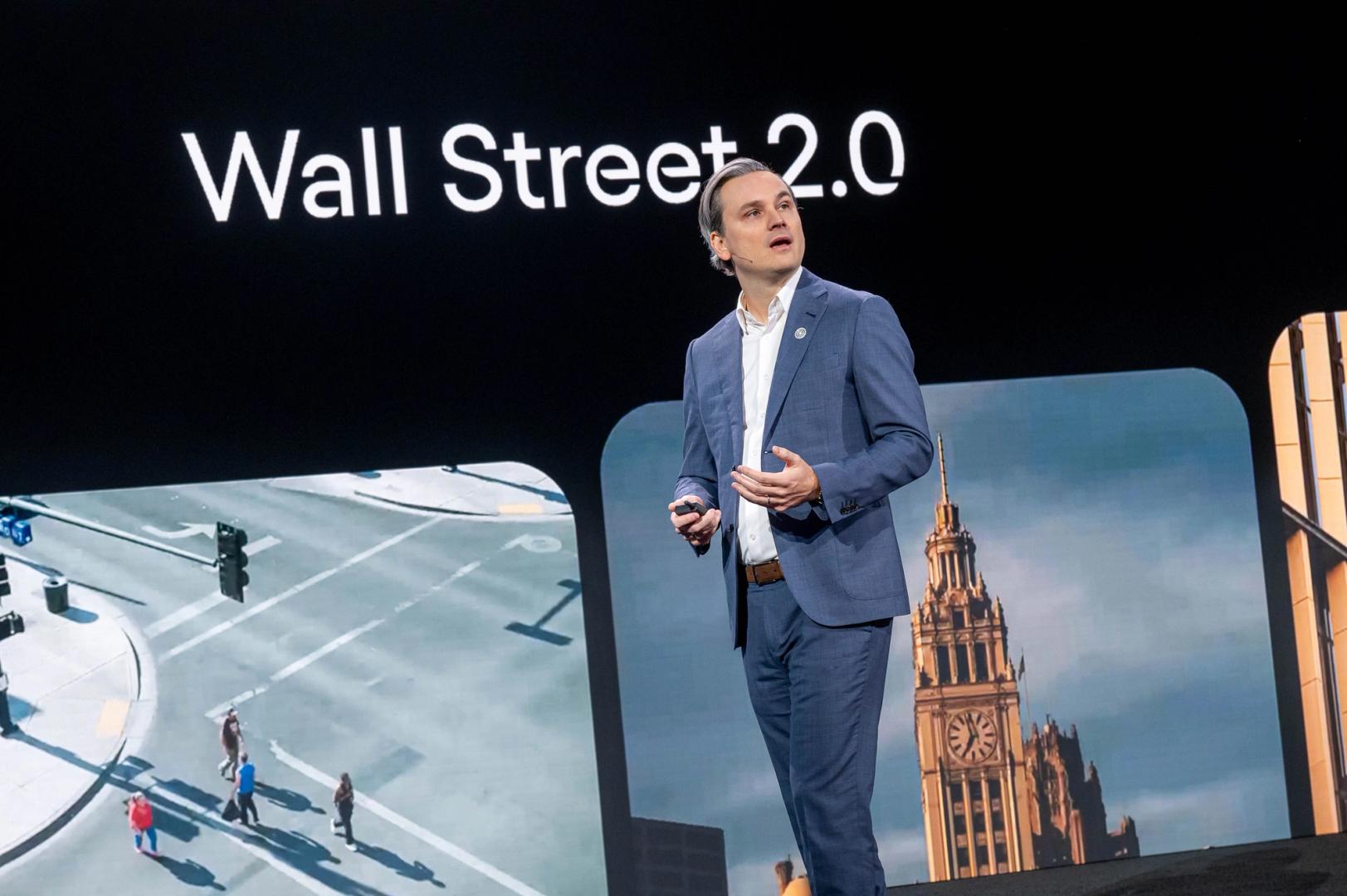
Securitize tokenizes $295 million of its own stock on Solana and Avalanche amid NYSE debut
Securitize tokenizes $295 million of its own stock on Solana and Avalanche amid NYSE debut
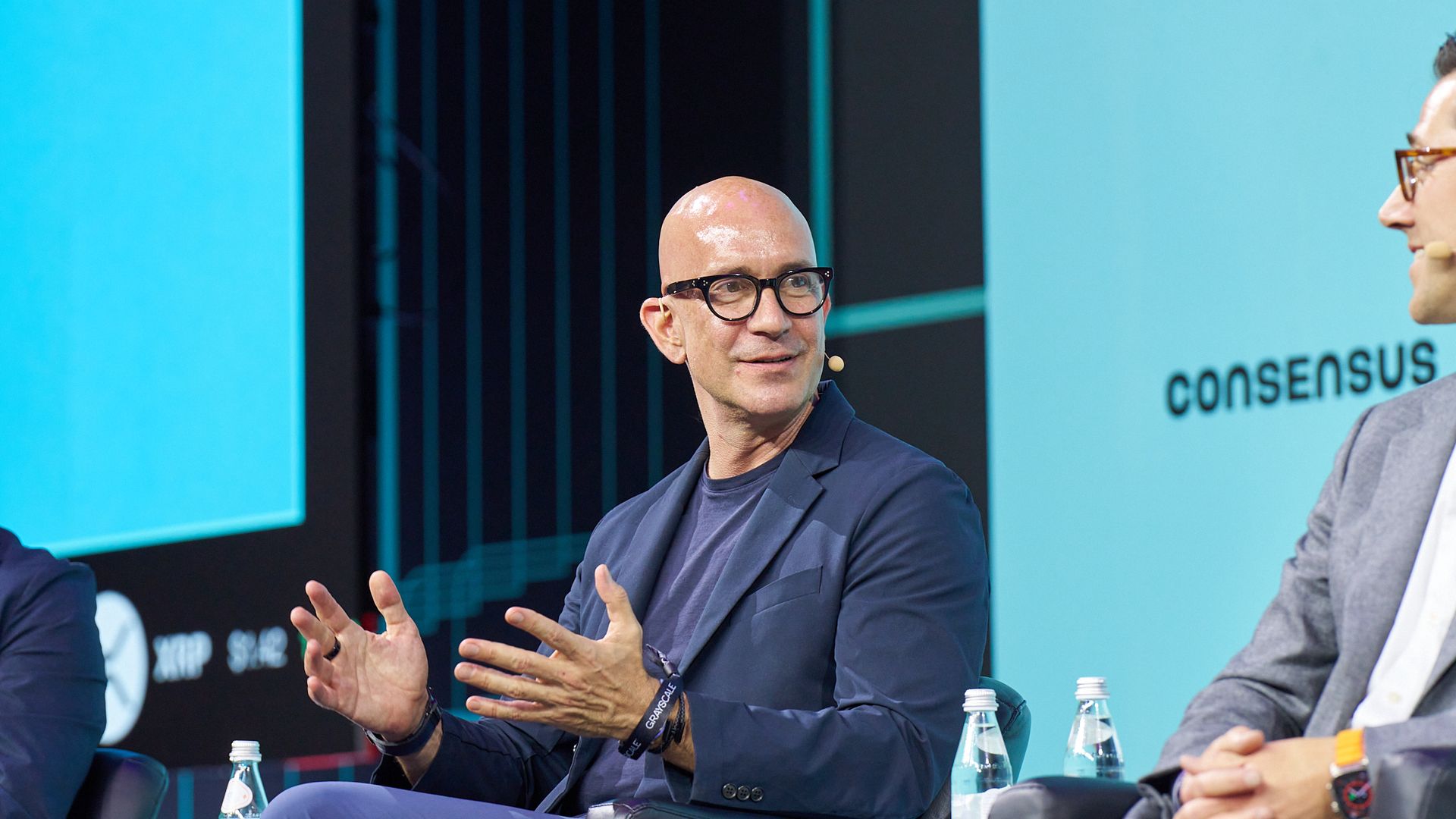
Securitize tokenizes $295 million of its own stock on Solana and Avalanche amid NYSE debut
Read Full Story at CoinDesk →Why This Matters
This move signals a pivotal shift in how traditional financial assets intersect with blockchain technology, demonstrating that even legacy markets are warming to decentralized infrastructure. It also sets a precedent for other firms considering tokenization, potentially accelerating institutional adoption of blockchain-based securities. The timing—coinciding with Securitize's NYSE debut—underscores a strategic pivot toward hybrid financial models.
Background Context
Tokenization has long been touted as a bridge between conventional finance and Web3, but adoption has been slow due to regulatory uncertainty and infrastructure gaps. Securitize’s prior experience as a private market tokenization platform positions it as a natural candidate to lead this transition. Meanwhile, Solana and Avalanche have emerged as preferred chains for institutional-grade tokenization, offering scalability and compliance-friendly frameworks.
What Happens Next
If regulators and markets respond favorably, we may see a wave of issuers following Securitize’s lead, particularly in private equity and venture capital. The success of this tokenization experiment could also influence other exchanges and financial institutions to explore similar initiatives. Watch for clarity on custody solutions, secondary market liquidity, and compliance mechanisms as critical next steps.
Bigger Picture
This development aligns with a broader trend of institutional experimentation with blockchain, where tokenization is increasingly viewed as a tool for efficiency rather than a disruptive experiment. It also reflects the maturing of alternative blockchains like Solana and Avalanche, which are now competing directly with Ethereum in institutional use cases. Ultimately, the move could redefine how investors access private markets, blurring the lines between traditional and digital assets.