South Korea to spend $1T on more memory chip production and humanoid robots
South Korea targets physical AI lead and commercial humanoid robots by 2028.
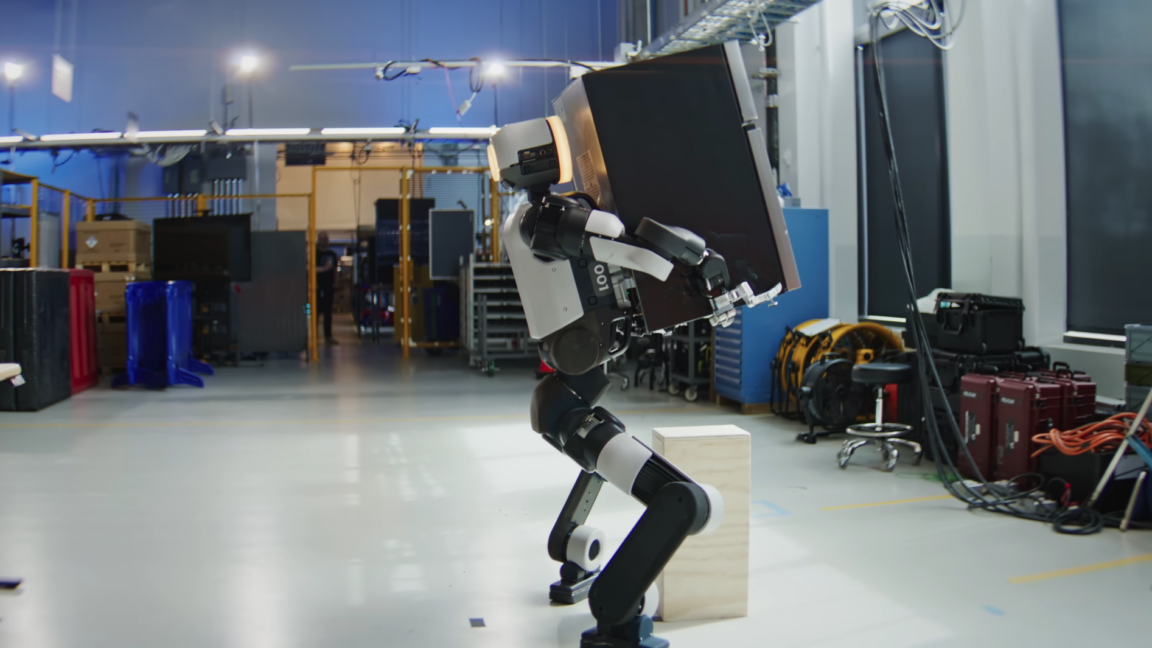
South Korea targets physical AI lead and commercial humanoid robots by 2028.
Read Full Story at Ars Technica →Why This Matters
South Korea’s $1 trillion investment signals a strategic pivot from semiconductor dominance to a broader physical AI ecosystem, positioning itself as a potential leader in the next wave of industrial automation. By prioritizing humanoid robotics alongside memory chips, Seoul is betting on a future where AI-driven labor reshapes global supply chains—placing it ahead of competitors still focused solely on digital AI.
Background Context
South Korea’s chip industry has long been the backbone of its economy, but rising competition from China and geopolitical pressures—like U.S. export controls—have forced a diversification strategy. The government’s push for humanoid robots aligns with decades of state-backed industrial policy, mirroring past successes in shipbuilding and display manufacturing. Meanwhile, domestic firms like Hyundai and LG are already testing early-stage robotics partnerships.
What Happens Next
If the plan succeeds, South Korea could become the first nation to mass-produce humanoid robots at commercial scale, potentially disrupting labor markets in manufacturing-heavy economies. However, questions remain about execution costs, workforce transitions, and whether global demand will materialize before rivals like China or the U.S. scale up their own programs. Watch for pilot projects in logistics and eldercare as early indicators of viability.
Bigger Picture
This move reflects a broader race to dominate physical AI—a shift from purely digital applications to tangible, high-value automation. It also highlights how semiconductor giants are leveraging their expertise to dominate adjacent industries, much like Nvidia’s expansion into robotics. For South Korea, the bet is high stakes: securing first-mover advantage in a market that could redefine global manufacturing within a decade.