South Korea unveils $1tn chip and AI investment plan
South Korea has unveiled plans for about $1tn (£760bn) of investments to build out the country's chip manufacturing and artificial intelligence (AI) capabilities in the coming years. It is part of th
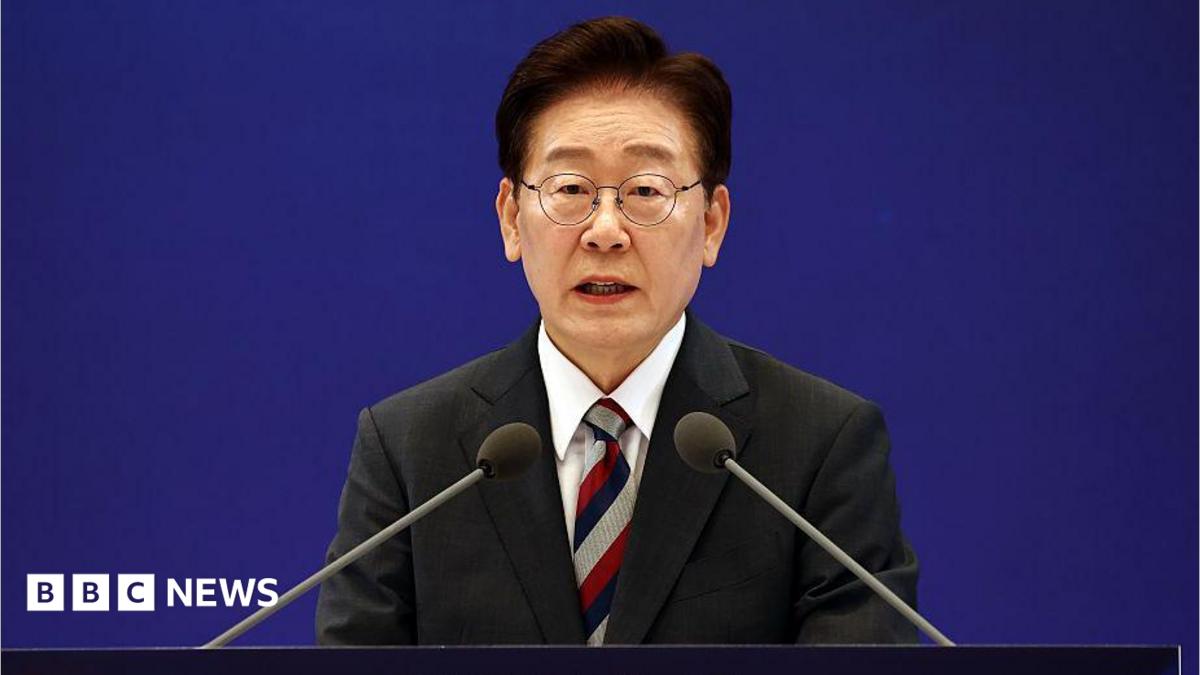
South Korea has unveiled plans for about $1tn (£760bn) of investments to build out the country's chip manufacturing and artificial intelligence (AI)
Read Full Story at BBC Technology →Why This Matters
South Korea’s $1tn chip and AI investment push is less about industrial policy and more about securing economic sovereignty in an era where semiconductor supply chains dictate geopolitical leverage. The scale of the plan underscores how critical advanced manufacturing and AI integration have become to national security, positioning Seoul as a counterweight to U.S. and Chinese dominance in the tech space.
Background Context
South Korea’s chip industry, already home to global giants like Samsung and SK Hynix, faces intensifying competition from Chinese rivals and U.S. subsidies under the CHIPS Act. The government’s past initiatives, such as the 2020 K-Semiconductor Strategy, laid the groundwork, but this latest plan reflects a strategic pivot toward AI-driven ecosystems to future-proof its economy amid demographic decline and rising labor costs.
What Happens Next
The success of this plan hinges on execution—particularly in attracting private capital to match public funding and navigating U.S.-China tensions over export controls. Watch for partnerships with global AI developers and semiconductor equipment makers, as well as potential bottlenecks in skilled labor and infrastructure scaling. If realized, South Korea could emerge as a critical node in the West’s decoupling strategy from China.
Bigger Picture
This marks a broader trend of governments treating semiconductors and AI as strategic assets, mirroring Japan’s revival of its semiconductor sector and the EU’s Chips Act. The South Korean model—leveraging conglomerate power (chaebols) with state incentives—could reshape global tech supply chains, especially if other nations adopt similar state-led industrial strategies to mitigate risks from geopolitical fragmentation.