Will alleged crime ties damage Serbia's ruling party?
When Belgrade Police Chief Veselin Milic allegedly tried to broker peace between two rival underworld figures — Sasa Vukovic and Aleksandar Nesovic — at an upmarket restaurant in one of the Serbian ca
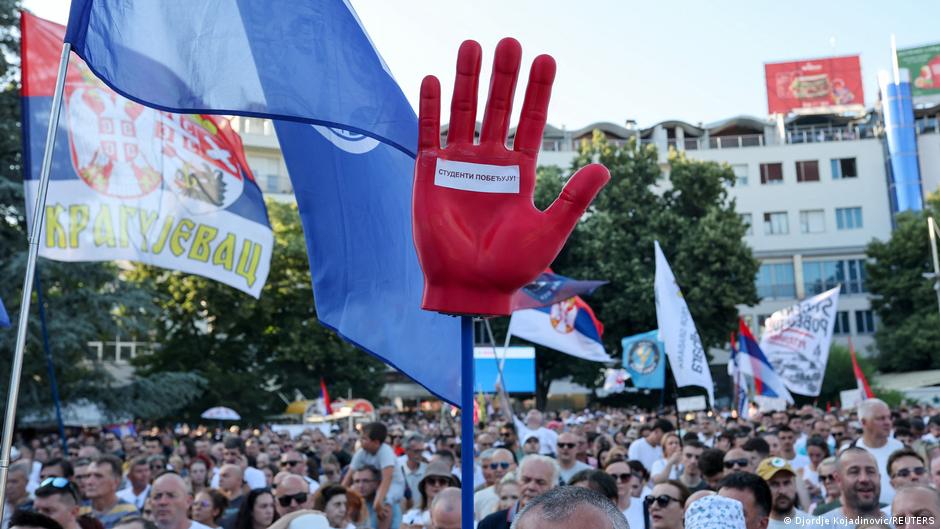
When Belgrade Police Chief Veselin Milic allegedly tried to broker peace between two rival underworld figures — Sasa Vukovic and Aleksandar Nesovic —
Read Full Story at DW World →Why This Matters
The alleged involvement of Belgrade’s top police official in brokering a truce between two notorious underworld figures exposes the depth of organized crime’s infiltration into Serbia’s institutions—a challenge that has long shadowed the country’s democratic consolidation. If confirmed, this scandal could erode public trust in law enforcement at a time when Serbia is already grappling with accusations of selective justice and backsliding on EU anti-corruption standards.
Background Context
Serbia’s post-Milošević era has been marred by persistent rumors of collusion between political elites and organized crime, particularly during the 2000s and early 2010s, when figures like the late crime boss Darko Šarić wielded influence behind the scenes. While the current government has publicly vowed to crack down on corruption, critics argue that structural reforms remain superficial, with high-profile cases often stalling amid bureaucratic resistance or political interference.
What Happens Next
The immediate fallout will hinge on whether independent investigations confirm the police chief’s alleged role, with potential outcomes ranging from his resignation to a broader purge within state security agencies. Observers will closely watch whether the scandal accelerates EU pressure for tangible judicial reforms or, conversely, triggers a defensive response from ruling party allies to shield allied figures from scrutiny.
Bigger Picture
This episode reflects a wider pattern across the Balkans, where organized crime’s tentacles frequently intersect with political power, complicating EU accession efforts and undermining governance. As Serbia navigates its balancing act between Western alignment and Russian ties, such scandals test whether anti-corruption rhetoric translates into systemic change—or remains a tool for political distraction.







